Office Furniture Removals Planning

Scheduling removals during office closures minimizes disruption and allows for efficient transitions.

Late summer and winter months often have lower business activity, making them ideal for furniture removals.

Many organizations plan relocations or upgrades at fiscal year-end, providing a convenient window for office furniture removals.
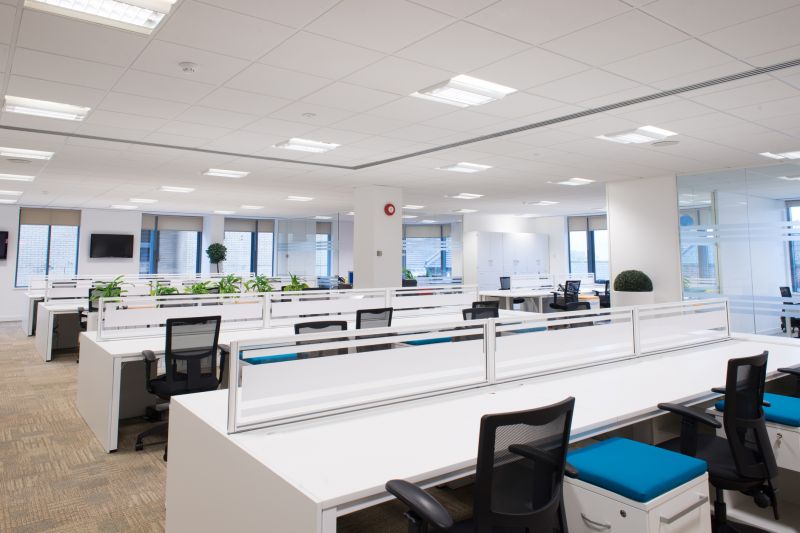
Ways to make Office Furniture Removals work in tight or awkward layouts.
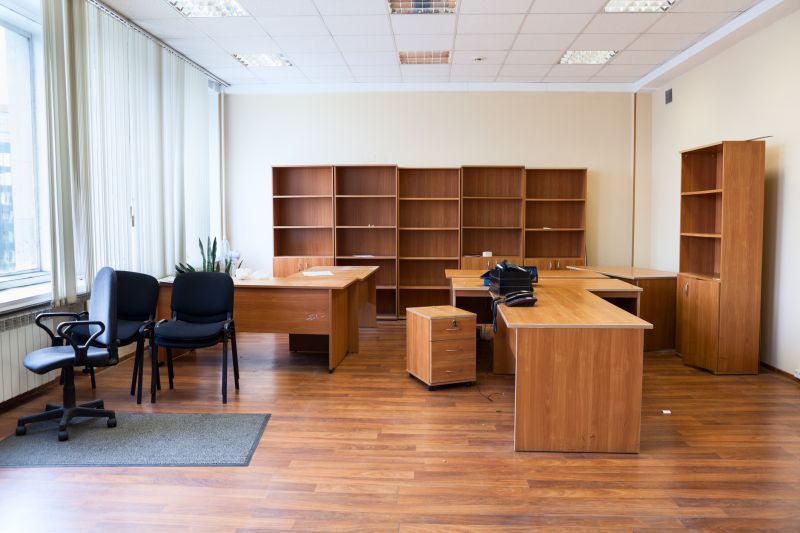
Popular materials for Office Furniture Removals and why they hold up over time.

Simple add-ons that improve Office Furniture Removals without blowing the budget.
Office furniture removals involve the systematic disassembly, transportation, and reinstallation of furniture during office relocations or upgrades. Proper planning ensures minimal disruption and safety during the process. Statistically, organizations that schedule removals during less busy periods experience 30% faster completion times and encounter fewer logistical issues.
Timing is critical for office furniture removals to align with project deadlines and operational needs. Off-peak periods help reduce costs and avoid peak business hours, which can interfere with daily operations. Additionally, scheduling during periods of low occupancy decreases the risk of accidents and damage to existing furniture.
Advance planning involves inventory assessment, scheduling, and coordinating with movers to ensure a smooth process.
Business cycles, lease expiration dates, and renovation schedules are key considerations for timing office furniture removals.
Poorly timed removals can lead to increased costs, delays, and operational disruptions.
Effective preparation includes clear communication, detailed timelines, and proper packing to ensure furniture safety.

Careful disassembly prevents damage and simplifies transportation.

Proper loading techniques ensure furniture safety during transit.

Efficient reassembly helps minimize downtime.

Specialized tools facilitate safe handling of office furniture.

Padding and wrapping prevent damage during transit.

Labeling and systematic packing streamline the unpacking process.
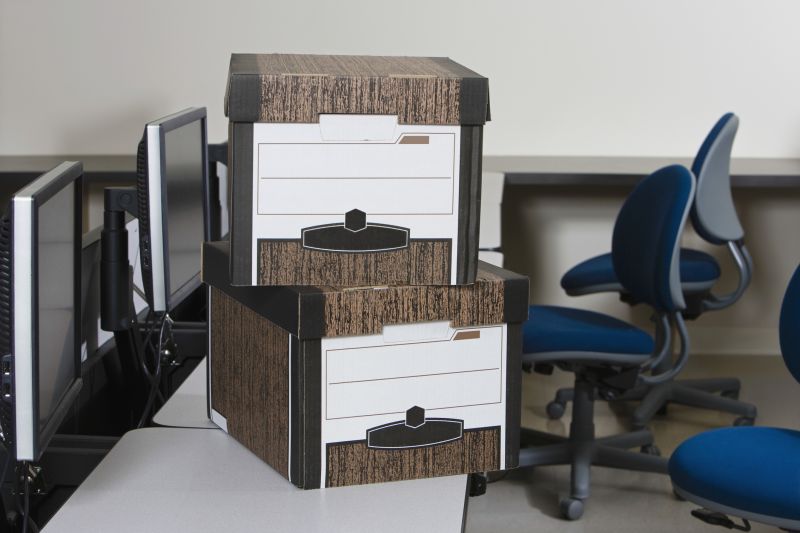
Arranging furniture to optimize workspace efficiency.

Use of protective gear and proper lifting techniques ensure safety.
| Timing Factor | Impact |
|---|---|
| Business Activity Level | Lower activity allows for easier scheduling and less disruption. |
| Seasonal Considerations | Off-peak seasons can reduce costs and logistical challenges. |
| Lease and Contract Deadlines | Aligning removals with lease expirations ensures compliance and avoids penalties. |
| Project Deadlines | Scheduling around project timelines ensures smooth transitions. |
| Availability of Moving Resources | Off-peak times often have more flexible scheduling options. |
| Operational Disruption | Timing to minimize impact on daily business operations. |
| Cost Factors | Off-peak periods may offer lower rates for moving services. |
Choosing the right time for office furniture removals involves balancing operational needs, cost considerations, and logistical factors. Properly timed removals can lead to smoother transitions, reduced expenses, and less impact on daily business activities.

Secure packing ensures furniture safety during transit.

Proper loading prevents damage and facilitates efficient transport.

Careful reassembly restores office functionality quickly.

Arranging furniture for optimal workspace utilization.
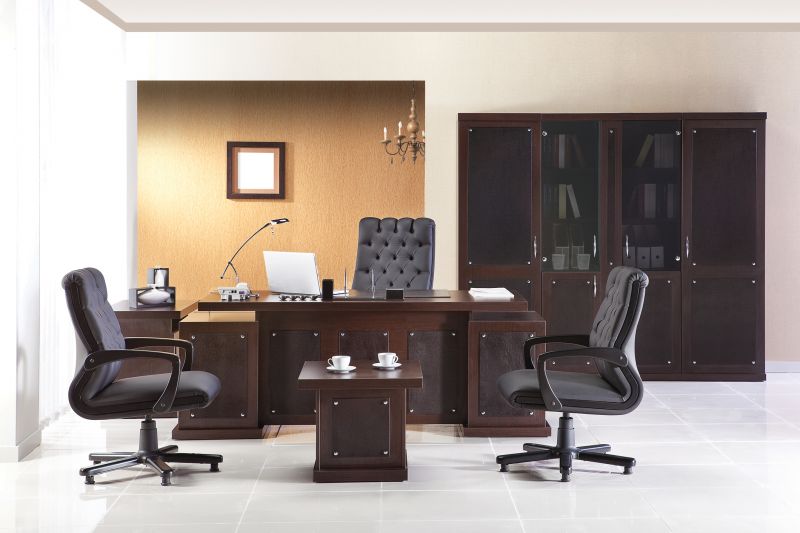
High-end options that actually feel worth it for Office Furniture Removals.

Finishes and colors that play nicely with Office Furniture Removals.

Little measurements that prevent headaches on Office Furniture Removals day.

A 60-second routine that keeps Office Furniture Removals looking new.
Interested in scheduling office furniture removals? Filling out the contact form provides an opportunity to discuss timing options and plan a seamless relocation process.